
The Psychology Behind Casino Design
Casinos are meticulously designed to create an inviting and exciting atmosphere. From the moment patrons walk through the doors, they are enveloped in a world that stimulates their senses. The layout is often intentionally confusing, with winding paths and strategically placed attractions that encourage players to explore. This design aims to keep people engaged and, ultimately, playing for longer periods. Players who seek quality options may want to explore the best casino not on gamstop to enjoy a more unrestricted gaming experience.
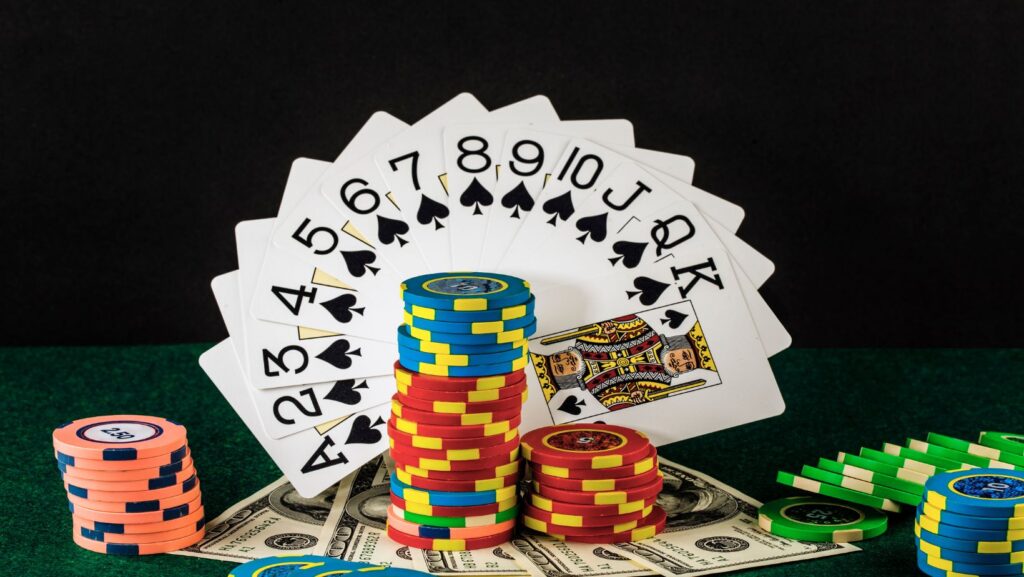
The lighting in casinos is another crucial aspect of their design. Bright, colorful lights and sounds from slot machines create an exhilarating environment, making it easy for visitors to lose track of time. Psychological studies suggest that these elements can lead to an increase in the amount of money wagered, as players feel an adrenaline rush that encourages them to keep spinning the reels or placing bets.
The House Edge Explained
At the core of casino profitability is the concept of the house edge—the statistical advantage that the casino holds over players. This edge varies depending on the game being played. For example, slot machines typically have a higher house edge compared to table games like blackjack or poker. Players may not realize that while they may win occasionally, the odds are always stacked against them in the long run.
Understanding the house edge is crucial for players. It means that, on average, for every dollar wagered, a certain percentage will be kept by the casino as profit. This inherent advantage is a primary reason why casinos are able to offer such lavish amenities and entertainment options; they profit from the very nature of the games themselves, ensuring they maintain a steady flow of income.
Game Design and Payout Structures
Beyond the house edge, casinos utilize specific game designs and payout structures to entice players. Slot machines, for instance, are programmed with random number generators that determine outcomes. However, the frequency of smaller wins is often manipulated to create the illusion of a likely payout, keeping players engaged and encouraging continued play.
Moreover, many casinos offer progressive jackpots that grow larger over time, enticing players to spend more in hopes of hitting the big win. This design strategy not only fosters a sense of excitement but also leads players to invest more money, believing that they might be the next lucky winner of a life-changing jackpot.
The Influence of Rewards Programs
Many casinos implement rewards programs to enhance player retention. These programs provide incentives for frequent gambling, such as complimentary meals, hotel stays, or even exclusive event access. This strategy creates a sense of loyalty among players, as they feel valued and rewarded for their continued patronage.
The psychology of rewards is powerful. Players are more likely to return to the casino if they feel they are receiving something in return for their money. This setup not only draws people back but also encourages them to gamble more than they might otherwise, believing they are receiving value through the perks associated with their play.
Exploring More at Our Website
Our website serves as a valuable resource for anyone looking to delve deeper into the mechanics of gambling, including understanding how casinos operate and the psychological strategies they employ. While some content may currently be inaccessible due to permissions issues, we encourage users to explore the available sections, providing insights and knowledge on the world of gambling.
For those seeking to unlock additional information or have specific inquiries, our support team is ready to assist. Engaging with our website can enhance your understanding of gambling dynamics and ultimately help you make more informed decisions when visiting casinos.